Guides · 5 min read
Countries that block unregistered phones: IMEI rules tourists get caught by

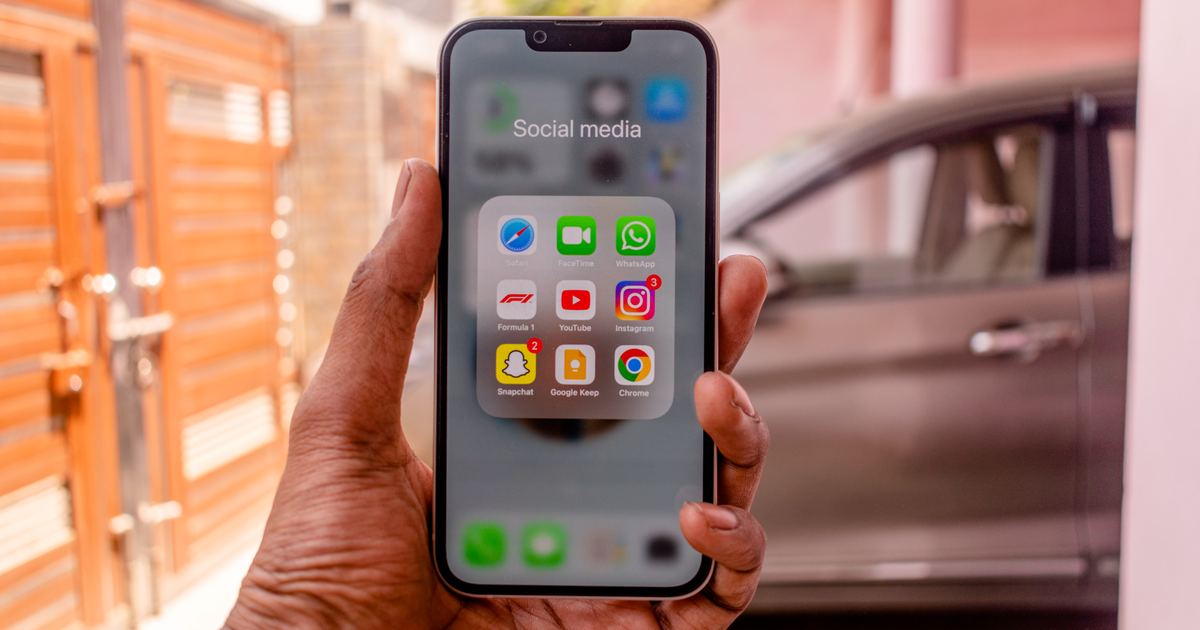
In a handful of countries, using a local SIM in a foreign phone starts a clock. When it runs out, every network in the country blocks your phone until it is registered on a national IMEI database, and registration either costs a lot of money or requires paperwork a tourist cannot get. The rules exist to stop grey imports and stolen handsets, but they catch travellers who stay a bit longer than planned, and they catch anyone who buys a local SIM in one of these countries on a second visit without realising the first visit used up the grace period.
This is the current state of the rules in the countries where it matters most, and the reason a travel eSIM usually avoids the problem entirely.
How the block works
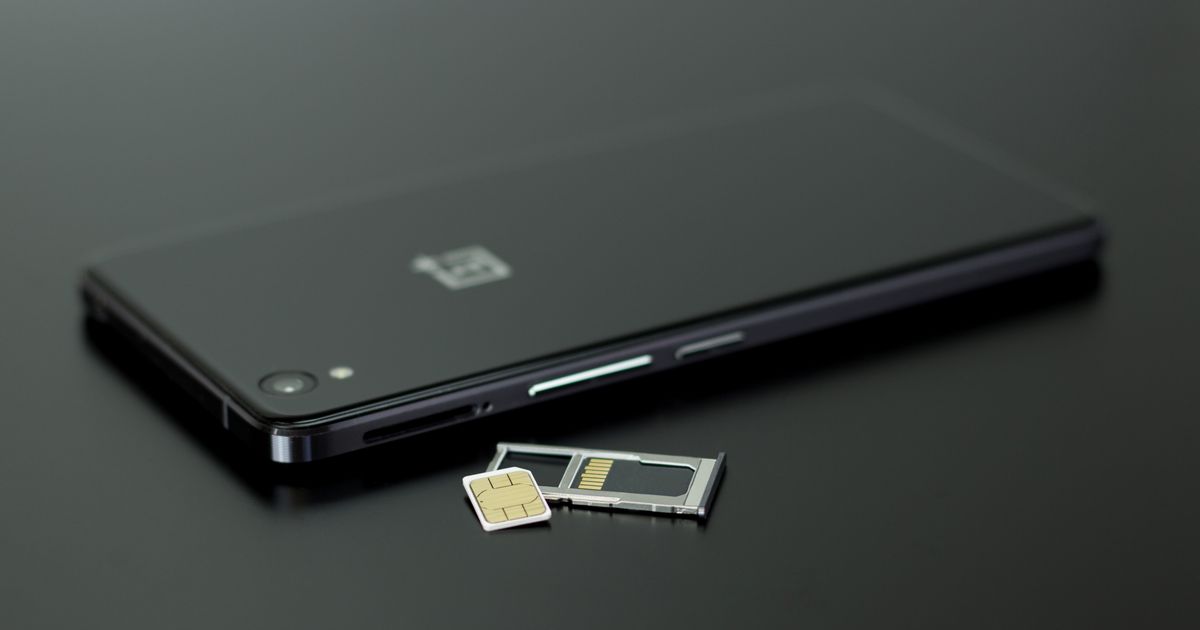
Your phone's IMEI is a 15 digit serial number the network sees every time you connect. Countries with an IMEI register let unregistered foreign phones connect for a fixed period after they first appear on a local SIM. Past that, the register tells every network in the country to refuse the phone. WiFi still works. A foreign SIM roaming in usually still works, because the rule is aimed at local SIMs in foreign handsets. A local SIM does not.
Turkey
The strictest and the best known. A foreign phone with a Turkish SIM gets 120 days from first connection. After that the phone is blocked on Turkcell, Vodafone and Türk Telekom until registered with the BTK, the telecoms regulator.
- The registration fee is set annually and has risen far faster than inflation. In 2026 it is around 45,000 lira, well over $1,000, and it is intended for residents importing phones, not visitors.
- The 120 days are cumulative across visits. A phone that used a Turkish SIM for 100 days last year has 20 days left this year.
- A travel eSIM does not start the clock. It is a foreign line roaming onto Turkish networks, and the rule concerns Turkish SIMs in foreign devices. Travellers who spend a summer in Turkey every year keep a travel eSIM for precisely this reason.
Indonesia
Indonesia's register applies to phones that were not sold locally. A foreign phone with an Indonesian SIM has a grace period, and the government's own advice is to register at customs on arrival at the airport, where it is free for a phone below a value threshold (the threshold is set in US dollars and has been $500). Register later and duty may apply. Miss the window and the phone is blocked on all Indonesian networks with a local SIM.
Bali is where most travellers hit this, usually on a second trip, when the SIM they bought last time stops working. As with Turkey, a foreign line roaming in is not affected.
Pakistan
The PTA register blocks foreign phones with Pakistani SIMs after a grace period of about 60 days, and the registration duty is calculated on the phone's value and can run to hundreds of dollars for a recent iPhone. Visitors can apply for a temporary exemption for the duration of a visit. Most short stay travellers never hit the limit. Longer stays and returning family members do, and the duty surprises them.
Egypt
Egypt introduced IMEI registration with customs duty for foreign phones using Egyptian SIMs, with a grace period of 90 days for visitors. The duty is substantial on flagship phones. Travel eSIMs roaming in are not subject to it.
Nigeria, Kenya, Bangladesh, Nepal and others
Several other countries run IMEI registers with varying enforcement. Nigeria's applies to all phones on local networks. Kenya's was introduced with a focus on tax compliance for imported handsets. Bangladesh and Nepal both block unregistered foreign phones on local SIMs after a period. Enforcement ranges from strict to sporadic, and the rules change with little notice. If you plan to use a local SIM in any of these for more than a few weeks, check the current rule the week you travel.
The practical answer: a travel eSIM
In every country on this list, the block is triggered by a local SIM in a foreign phone. A travel eSIM is a foreign line, registered elsewhere, roaming onto the local network. The register does not see it as a local subscription and the clock does not start. Your phone shows a local network name, your data works, and the IMEI rules do not apply to you.
That also means a travel eSIM keeps working on a phone that has already been blocked. Travellers who have run out the Turkish grace period and cannot afford the fee use an eSIM for every subsequent visit.
The trade off is price. A local SIM in Turkey or Indonesia is cheaper per gigabyte than a travel eSIM. Across the plans we track, the cheapest Turkey eSIM is $0.35 per GB and the cheapest Indonesia eSIM $0.48, which for a two week trip is a few dollars more than a local SIM and a lot less than the registration fee.
If you are already blocked
- Confirm it is the register and not a settings problem. A blocked phone shows no service on any local SIM, but works on WiFi and on a foreign SIM.
- Install a travel eSIM over WiFi. It will connect, because it is not a local subscription. Our country pages list every plan we track.
- Decide whether registration is worth it. For a resident, yes. For a visitor, the eSIM is cheaper for any realistic length of stay.
- Check the phone's IMEI status before your next trip if you plan to use a local SIM again. Turkey's BTK and Indonesia's customs site both have lookup tools.
Going to Turkey, Indonesia, Pakistan or Egypt for more than a couple of weeks, or going back for a second visit? Use a travel eSIM. The local SIM's savings are real but small, and the registration fee if you slip over the limit is not.
A note on dual SIM phones
The block is on the phone's IMEI, not on a SIM slot. A dual SIM phone with two IMEIs (most have one per slot) can in principle be registered for one slot and blocked on the other, but in practice registers treat the device as one. Do not rely on the second slot as a workaround.
Questions people ask
What is IMEI registration?
Every phone has a unique 15 digit IMEI number. Some countries keep a national register of IMEIs allowed on their networks, mainly to stop smuggled and stolen handsets. A foreign phone using a local SIM has to be added to the register, sometimes for free, sometimes for a fee, and after a grace period the networks block phones that are not on it.
Does a travel eSIM trigger IMEI registration?
In Turkey, no. The registration clock is tied to a Turkish SIM being used in a foreign phone, and a travel eSIM is a foreign line roaming onto Turkish networks, which the rule does not cover. Indonesia and Pakistan work similarly in practice. This is one of the strongest practical arguments for an eSIM in these countries.
How much does Turkey's IMEI registration cost?
The fee is set each year and has risen sharply. In 2026 it is in the region of 45,000 Turkish lira, which is over $1,000. It is meant for residents importing a phone. Tourists on a short stay never need to pay it because the 120 day grace period covers a normal visit.
What happens when the grace period ends?
The local networks refuse the phone. Your local SIM stops working and so does any other local SIM you try. The phone still works on WiFi and on a foreign line roaming in, which is why a travel eSIM keeps working after the block.
Is my phone blocked forever?
Only on that country's networks, and only until it is registered. Leave the country and it works normally everywhere else. The block does not follow you home.
Can I register at the airport on arrival?
In Indonesia, yes, and it is free for phones under a value threshold if done on arrival at customs. In Turkey the registration is done through the eDevlet government portal or a tax office and needs a residence permit for the reduced process. For a short visit in either country, the practical answer is not to need it at all.
Compare plans for the places in this guide
236,811 plans from 61 sellers, ranked by real price per GB, with prices checked against the shops themselves.