Guides · 5 min read
Airport SIM kiosks: what tourists pay on arrival versus buying at home

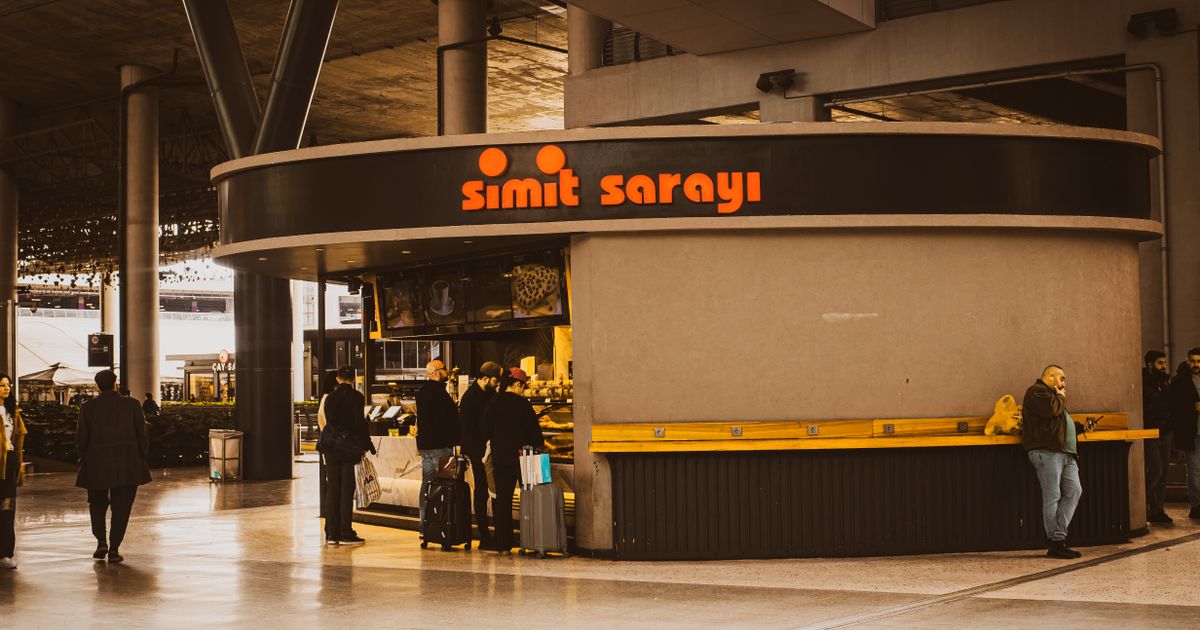
The SIM counter at arrivals is not a scam. It sells a real SIM, on a real network, that works. It also sells it for two to four times what the same SIM costs in a shop twenty minutes away, and it does so because you have just landed with no data, no idea where the shops are, and a taxi to find. The kiosk is selling the moment, and the moment is expensive.
This guide puts numbers on the markup, explains why it exists, and shows what the alternative costs when you sort it out before you fly.
The markups, with examples
| Airport | What the kiosk charges | The same or similar in town |
|---|---|---|
| Bangkok Suvarnabhumi | Tourist SIMs around 1,199 baht for 15 to 30 GB | Around 300 baht for comparable plans at carrier shops and 7 Eleven |
| Istanbul | Tourist packages that have run to two or three times the shop rate, with a queue to match | Carrier shops in the city, passport required, at the standard rate |
| US airports (SFO, EWR and others) | Tourist SIMs from $25 for the SIM alone before data, and $79 for 3 GB reported | Prepaid carrier SIMs in supermarkets and pharmacies from $10 to $30 with data |
| European hubs | Markups of two to ten times over supermarket prices reported across the continent | Supermarket own brand SIMs from a few euros with generous EU data |
The pattern holds almost everywhere. The kiosk is the most expensive place in the country to buy that SIM, by design.
Why it is priced that way
Airport retail space is among the most expensive per square metre anywhere. The counter is staffed from the first flight to the last. And every customer is, by definition, someone who did not plan ahead and cannot easily shop around. Nobody at that counter is comparing prices. So the price is whatever the operator judges a tired traveller will pay to make the problem go away. Two to four times the shop rate turns out to be about right, which is why it is so consistent across countries.
There is also a quieter cost. The kiosk is where tourist SIMs come with restrictions that the shop version does not: shorter validity, tourist only packages that cannot be topped up at the normal rate, and in countries with IMEI registration rules, the start of a clock you may not know about. Our guide to IMEI registration for tourists covers where that bites.
What the alternative costs
A travel eSIM installed at home, before you fly, connects when you land. No counter, no queue, no passport, no swapping your home SIM out. Across the plans we track, this is what the cheapest option looks like in places with famous airport kiosks:
| Country | Cheapest eSIM per GB | 5 GB for a week, roughly |
|---|---|---|
| Thailand | $0.22 | $1.10 to $4 |
| Turkey | $0.35 | $1.75 to $5 |
| Spain | $0.40 | $2 to $6 |
| United Kingdom | $0.44 | $2.20 to $6 |
| Japan | $0.44 | $2.20 to $6 |
| United States | $0.68 | $3.40 to $10 |
The ranges reflect the gap between the cheapest seller and the average, which is the point of comparing. Even the average, at around $20 for 5 GB, is a fraction of a $79 airport SIM.
The city shop, honestly
A carrier's own shop or a supermarket in the city is cheaper per gigabyte than most travel eSIMs, and that is the honest comparison. The costs are time and friction: finding the shop, the queue, passport registration, sometimes an IMEI registration, and on a single SIM phone, your home number going dark for the trip. For a month in one country the shop wins. For a week or two, most people are better off with the eSIM and the extra dollar or two per gigabyte. We set the full comparison out in eSIM versus local SIM versus roaming.
What the kiosk SIM often includes that you did not ask for
Tourist packages are built to sound generous and expire fast. Fifteen or thirty gigabytes over eight days, when you will use three. Local minutes you will not dial. A short validity that ends before the trip does, with a top up at a rate nobody quotes on the sign. And in Turkey, Indonesia and a few other countries, a local SIM in a foreign phone starts an IMEI registration clock that the kiosk staff are not paid to mention. None of these are hidden, exactly. They are printed on the leaflet you did not read because the taxi rank was filling up.
When the kiosk genuinely is the answer
Two situations. A phone with no eSIM support, which still describes a lot of mid range Androids and every iPhone before the XS. And a country where eSIMs are thin on the ground or require local registration too, where the kiosk's physical SIM is simply the product that exists. In both cases, buy the smallest package that covers the first day, and walk to a carrier shop for the rest.
If you land without a plan
You have three options, in order of cost.
- Airport WiFi and a travel eSIM. Most airports have free WiFi. Buy an eSIM on it, install from Settings, turn roaming on for the line. Ten minutes if the WiFi cooperates, and it is the cheapest route by far. Have the phone above 20 percent battery.
- The city shop. If you are staying a while and want the lowest per gigabyte, take the train in, use hotel WiFi that evening, and buy tomorrow.
- The kiosk. If the WiFi is dead, the phone cannot take an eSIM, and you need data in the next hour. Pay it, use it for a day, and treat it as the cost of not planning. Do not buy the biggest package they offer.
Next time: pick the plan a week before the flight, install it at home on WiFi, set it as the data line with roaming on, and switch the line on when you land. The kiosk becomes something you walk past.
A note on the kiosk staff
They are not the problem and they are usually helpful. Several will tell you, if asked, that the same SIM is cheaper in town. The price is set by the operator and the rent, not by the person at the counter, and there is no point being short with them. The fix is upstream, in your own planning, and it takes five minutes on our country pages.
Questions people ask
Why are airport SIM cards so expensive?
Rent, staff around the clock, and a customer who has just landed with no data, no local knowledge and no time. The kiosk is selling convenience at the one moment it is worth most, and it prices accordingly. The SIM itself is the same one sold in the city for a fraction.
How much more do airport SIMs cost?
Two to four times the city price is typical. Bangkok's airport tourist SIMs at around 1,199 baht sell in city stores for around 300 baht. Istanbul airport SIMs have run to three times the shop price. Some US airport kiosks charge $79 for 3 GB. Markups of ten times exist.
Is an airport SIM ever worth it?
If you land with no data, no eSIM capable phone and no way to get to a city shop, yes, it is worth the money for that day. It is never worth it if you could have installed a travel eSIM before flying, which costs a fraction and works from the moment you land.
Can I buy an eSIM at the airport instead?
You can buy one on the airport WiFi and install it in a few minutes, and it will usually still be cheaper than the kiosk. But airport WiFi is slow, the activation email can be delayed, and the phone battery is low. Buying at home avoids all three.
Are city SIM shops always cheaper?
Official carrier shops and supermarkets, yes. Independent phone shops near tourist sites sometimes charge close to airport prices, and a few sell SIMs registered to someone else, which get cut off. Buy from the carrier's own shop or a supermarket, and bring your passport.
Does a travel eSIM cost more than a city SIM?
Per gigabyte, usually somewhat more, though the cheapest eSIMs in Thailand, Turkey and Spain are under $0.50 per GB. It is still far below the airport kiosk, with no queue, no passport registration, no IMEI clock, and your home SIM stays in the phone.
Compare plans for the places in this guide
236,811 plans from 61 sellers, ranked by real price per GB, with prices checked against the shops themselves.